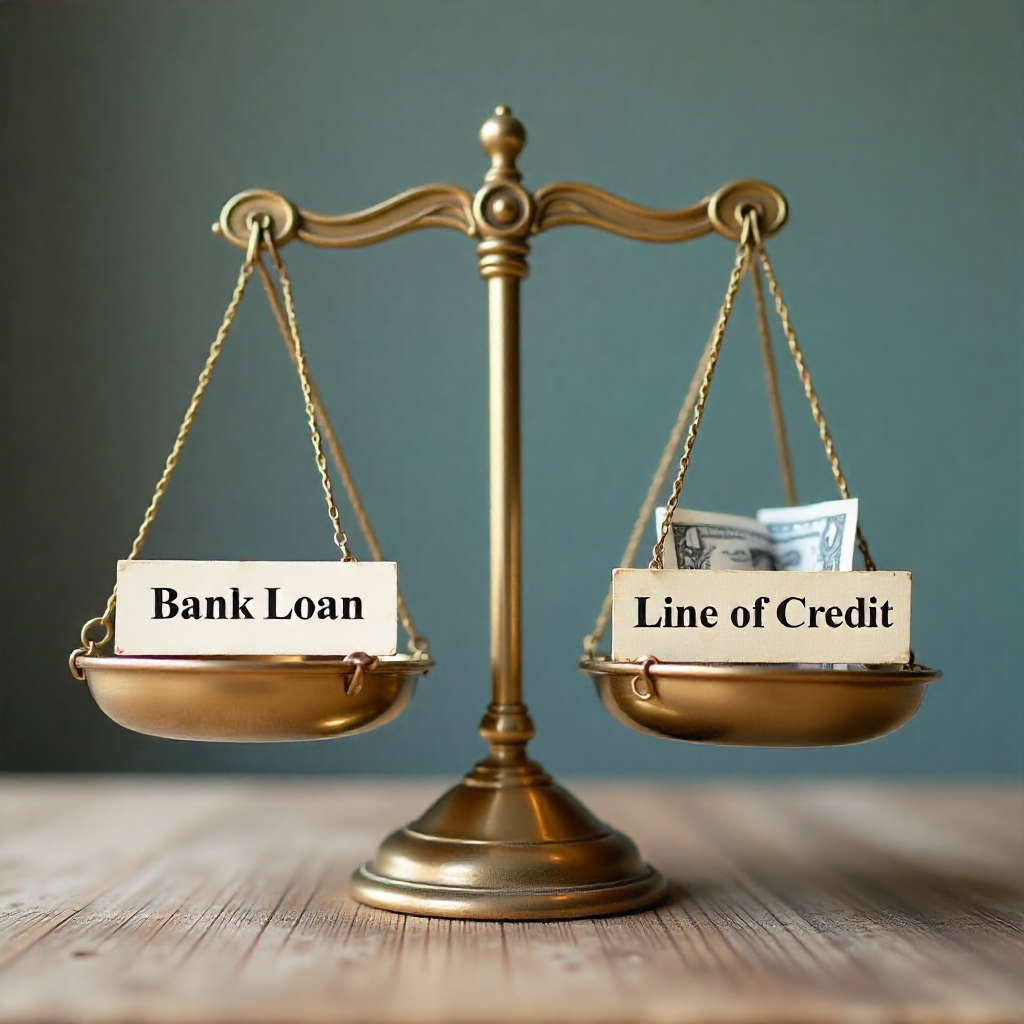
Are you facing a financial decision and wondering whether a bank loan or a line of credit suits your needs better? Choosing the right option can save you money and stress down the road.
But how do you know which one fits your situation? This guide breaks down the key differences in simple terms, helping you make a smart choice that works for you. Keep reading to discover which option can give you the control and flexibility you need with your money.
Differences Between Loan And Line Of Credit
Choosing between a bank loan and a line of credit can be confusing. Both options offer ways to borrow money. Each one works differently and suits different needs. Understanding their differences helps you pick the best choice.
Loan Basics
A loan gives you a fixed amount of money at once. You repay it in regular payments over time. The interest rate usually stays the same. Loans have a set end date when the full amount is paid back.
Loans work well for big purchases or projects. You get the money upfront. Then you focus on paying it off step by step.
Line Of Credit Basics
A line of credit lets you borrow up to a limit anytime. You can take money out, pay it back, and borrow again. Interest is charged only on the amount used. It works like a credit card but with lower rates.
This option suits ongoing expenses or emergencies. It gives flexible access to funds as needed.
Key Features Comparison
Loans have fixed amounts and fixed payments. Lines of credit offer flexible borrowing and repayment. Loan interest rates are usually fixed. Line of credit rates may vary over time.
Loans provide a lump sum upfront. Lines of credit give access to funds repeatedly. Loan terms are set and predictable. Line of credit terms can change based on usage.
Choosing depends on your spending needs and repayment ability. Both can help manage finances smartly.
When To Choose A Bank Loan
Choosing between a bank loan and a line of credit depends on your financial needs. Bank loans suit specific situations better. Knowing when to choose a bank loan helps you manage money wisely. Bank loans provide a fixed sum and clear repayment terms. They work well for planned expenses and long-term goals.
Fixed Amount Needs
Bank loans give a set amount of money at once. This fits well if you know exactly how much money you need. Use a bank loan for buying a car, home, or equipment. It prevents borrowing too much or too little. You get the full amount upfront to cover your cost.
Long-term Projects
Bank loans are good for projects that take time to finish. Think about building a house or starting a business. You get funds to pay for all stages of your plan. Loans usually have longer repayment periods, easing monthly payments. This helps keep your budget steady during the project.
Predictable Repayment Plans
Bank loans have fixed monthly payments. This makes it easy to plan your budget every month. You know exactly how much to pay and when. It reduces stress by avoiding surprises in repayment amounts. Predictability helps you avoid late fees and manage money better.
When To Opt For A Line Of Credit
Choosing between a bank loan and a line of credit depends on your financial needs. A line of credit offers unique benefits that suit certain situations well. Understanding these can help you decide when to use it.
A line of credit is ideal for flexible spending, managing short-term cash flow, and covering emergencies. It gives you access to funds as needed, without borrowing a fixed amount all at once.
Flexible Spending
A line of credit lets you borrow only what you need at any time. This flexibility helps when expenses vary month to month. You can repay and borrow again without reapplying. It suits irregular payments and ongoing projects well.
Short-term Cash Flow
Businesses and individuals use lines of credit to handle short-term cash gaps. It helps pay bills or payroll when income is delayed. This keeps operations smooth without taking a long-term loan. Interest is paid only on the amount used.
Emergency Funds
A line of credit works as a backup for unexpected costs. It provides quick access to money during urgent situations. This avoids high-interest credit cards or loans. Having this safety net reduces stress and financial risk.
Interest Rates And Fees
Understanding interest rates and fees is key when choosing between a bank loan or a line of credit. These costs affect how much you pay over time. Knowing the details helps you pick the best option for your budget and needs.
Loan Interest Structures
Loans usually have fixed or variable interest rates. Fixed rates stay the same during the loan term. This means your payments stay steady and easy to plan. Variable rates can change based on market conditions. They might start low but can rise, making payments less predictable.
Interest on loans is often calculated monthly or daily. The amount you borrow and the loan length also affect the total cost. Longer loans can mean lower monthly payments but more interest paid overall.
Line Of Credit Costs
Lines of credit charge interest only on the money you use. This can save money if you borrow small amounts at a time. Interest rates are often variable, so they can change.
Most lines of credit have a credit limit. You can borrow and repay repeatedly within this limit. Fees might apply for setting up the credit line or for unused credit.
Hidden Charges To Watch
Some loans and lines of credit come with hidden fees. Watch for application fees, early repayment penalties, and maintenance charges. These extra costs add up and increase the total amount you pay.
Ask the bank to explain all fees before signing. Reading the fine print avoids surprises later. Transparency helps you manage your finances better.
Application And Approval Process
The application and approval process is a key step when choosing between a bank loan or a line of credit. Understanding what to expect can help you prepare better. This process involves submitting documents, waiting for approval, and knowing how it affects your credit score.
Documentation Required
Both loans and lines of credit need proof of income. You must provide bank statements and tax returns. Identification documents like a driver’s license are also needed. Some lenders may ask for business financials if you are self-employed. Clear and complete paperwork speeds up the process.
Approval Timelines
Approval time varies by lender and product. Bank loans usually take longer, from a few days to weeks. Lines of credit often have quicker approvals, sometimes within days. Delays happen if documents are missing or need verification. Prepare all documents carefully to avoid waiting.
Credit Score Impact
Applying affects your credit score slightly due to a hard inquiry. Multiple applications can lower your score. Once approved, regular payments improve your credit history. Late payments harm your score and future approvals. Choose wisely and borrow only what you can repay.
Repayment Strategies
Choosing between a bank loan and a line of credit means understanding how to repay them well. Repayment strategies help you avoid extra costs and keep your finances healthy. Each option has different rules and ways to pay back the money.
Planning your payments carefully can save money on interest and reduce stress. Good repayment habits build trust with lenders and improve your chances for future credit.
Loan Payment Plans
Loans usually have fixed payment schedules. You pay the same amount each month until the loan is fully paid. This makes budgeting easier and helps you track your progress. Some loans allow early payments without fees. Paying extra reduces the loan balance faster and lowers interest costs.
Managing Line Of Credit Balances
Lines of credit work differently. You can borrow and repay multiple times up to your credit limit. Try to keep your balance low to avoid high interest. Pay more than the minimum to reduce debt faster. Regularly check your balance and interest charges to stay in control.
Avoiding Debt Pitfalls
Debt can grow quickly without careful management. Missing payments hurts your credit score and adds fees. Avoid borrowing more than you can repay. Use loans and credit lines only for needed expenses. Set reminders for payment due dates to avoid late fees and extra interest.
Financial Situations Suited For Each Option
Choosing between a bank loan and a line of credit depends on your financial needs. Each option fits different situations. Understanding these can help you decide smartly.
Both have benefits. Picking the right one can save money and stress. Let’s explore which financial situations suit each option best.
Business Use Cases
Bank loans suit big business expenses. They work well for buying equipment or expanding space. The fixed amount helps plan costs clearly.
Lines of credit fit ongoing needs. They help with cash flow or sudden costs. Businesses can borrow only what they need, then repay quickly.
Personal Finance Scenarios
Loans fit planned purchases like cars or home improvements. Fixed payments make budgeting easier. You know the total cost upfront.
Lines of credit help with flexible spending. They work well for varied bills or small projects. You borrow and repay as you go.
Emergency Vs Planned Expenses
Loans are best for planned expenses. You apply, get money, and pay back over time. Ideal for big, known costs.
Lines of credit suit emergencies. They offer quick access to funds. Use only what you need and pay interest on that amount.
Tips For Choosing The Best Option
Choosing between a bank loan and a line of credit can shape your financial future. Making the right choice helps you use money smartly. Consider simple tips to find the best fit for your needs.
Understanding your goals, risks, and expert advice guides you. These factors make your decision clear and confident.
Assessing Your Financial Goals
Start by defining what you want to achieve with the money. Do you need a fixed amount for a specific project? Or do you want flexible funds for ongoing expenses? A loan suits fixed costs well. A line of credit works better for variable spending. Clear goals help avoid borrowing too much or too little.
Evaluating Risk Tolerance
Think about how much risk you can handle. Loans have set payments, which can be easier to manage. Lines of credit may have changing interest rates and balances. If you prefer steady payments, a loan might be safer. If you accept some uncertainty for flexibility, a line of credit fits.
Consulting Financial Advisors
Talk with a financial advisor before deciding. They explain details and answer your questions. Advisors consider your income, debts, and credit score. Their insight helps match your needs with the best option. This step reduces mistakes and builds confidence.
Frequently Asked Questions
What Is The Main Difference Between A Loan And A Line Of Credit?
A loan provides a fixed amount of money upfront, repaid over time. A line of credit offers flexible borrowing up to a limit, with interest on used funds only.
When Should I Choose A Bank Loan Over A Line Of Credit?
Choose a loan for fixed expenses or large purchases needing one-time funding. Loans suit predictable payments and longer repayment terms.
How Does Interest Work On A Line Of Credit?
Interest is charged only on the amount you borrow, not the total credit limit. This makes it cost-effective for occasional or variable borrowing.
Can A Line Of Credit Improve Business Cash Flow?
Yes, it offers flexible access to funds, helping manage short-term expenses and seasonal cash flow gaps smoothly.
Conclusion
Choosing between a bank loan and a line of credit depends on your needs. Loans offer fixed amounts with set payments. Lines of credit give flexible access to funds anytime. Think about how much money you need and how often.
Also, consider your ability to repay on time. Both options have pros and cons to weigh. Take your time to decide what fits best. Ask questions if you feel unsure. Your choice should support your financial goals clearly.