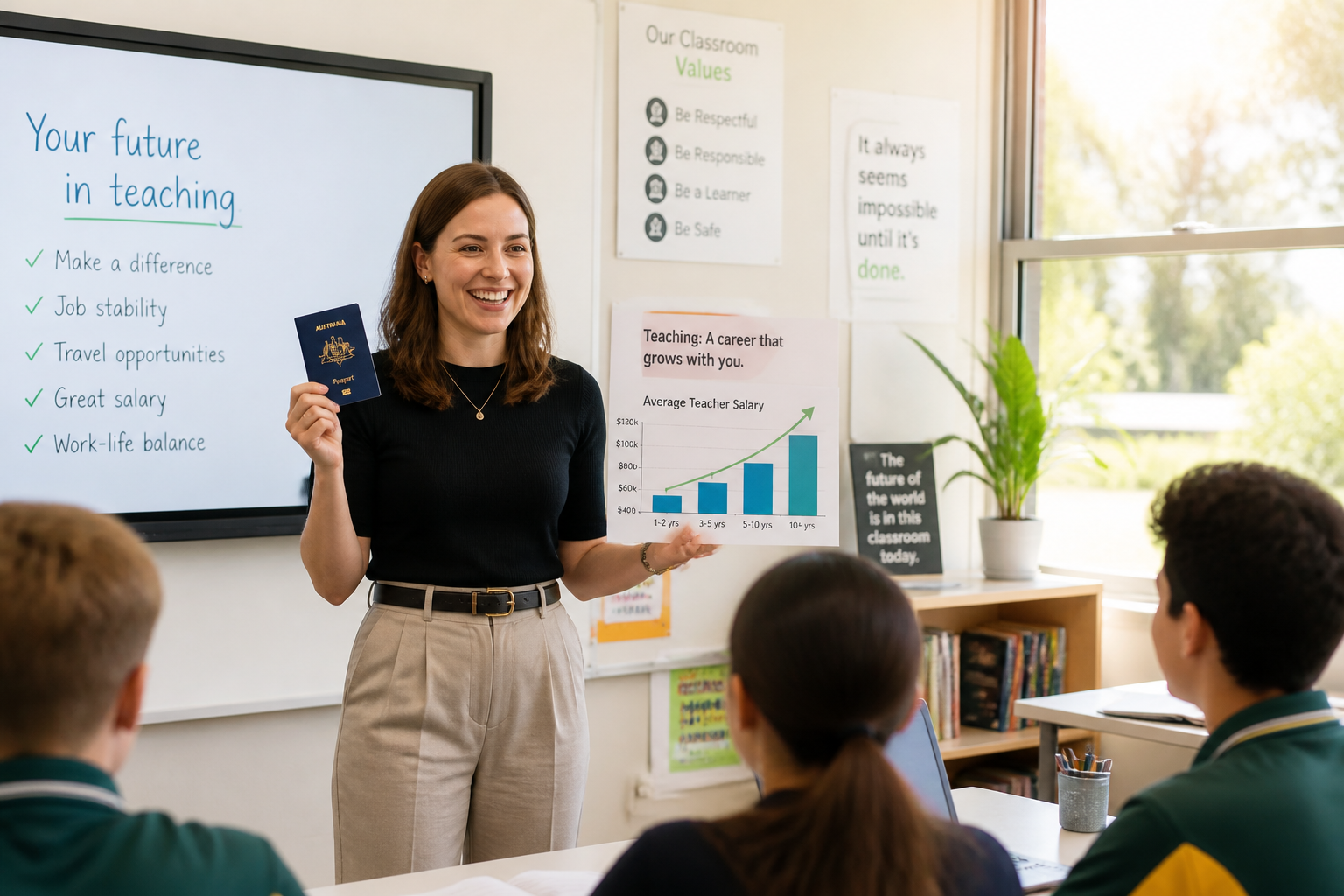
Are you thinking about building your career in education down under? Australia’s education sector is growing fast, and there are plenty of job opportunities waiting for you in 2026.
Whether you’re a teacher, counselor, or education support staff, understanding visa sponsorship options and salary expectations is key to making the right move. In this guide, you’ll discover exactly what you need to know to land your dream education job in Australia, secure the right visa, and get paid what you deserve.
Keep reading to unlock the secrets that can turn your career plans into reality.
Education Job Market In Australia
The education job market in Australia is evolving steadily. Schools and institutions seek skilled educators across many subjects. The demand reflects population growth and government focus on quality education. Job seekers find many opportunities in both public and private sectors. Understanding the current trends helps navigate this competitive market.
Current Trends And Future Outlook
Australia’s education sector shows steady growth. Technology integration in classrooms increases demand for tech-savvy teachers. Special education roles are expanding rapidly. The government invests in early childhood and vocational education. Future outlook points to more jobs in STEM subjects. Online and blended learning create new teaching opportunities.
High-demand Roles
Math and science teachers remain highly sought after. Special education teachers are in strong demand nationwide. Early childhood educators receive increasing attention. Vocational trainers gain importance with skill-focused programs. Language teachers, especially ESL, have steady openings. School counselors and education support staff also see growth.
Regional Vs Urban Opportunities
Urban areas offer many teaching positions but face high competition. Salaries tend to be higher in cities. Regional areas have fewer teachers and more vacancies. Schools in rural locations offer visa sponsorships more often. Living costs are lower outside big cities. Regional jobs provide valuable experience and lifestyle benefits.
Visa Sponsorship Options
Visa sponsorship is key for educators wanting to work in Australia. It helps foreign teachers live and work legally. Different visa types suit different needs. Understanding them helps you choose the best option.
Types Of Visas For Educators
Educators can apply for several visa types. The Temporary Skill Shortage (TSS) visa is common. It allows skilled workers to work temporarily in Australia. The Employer Nomination Scheme (ENS) visa offers permanent residency. The Regional Sponsored Migration Scheme (RSMS) visa suits educators willing to work in regional areas. Each visa has different rules and benefits.
Eligibility Requirements
Applicants must meet specific criteria. They need a relevant teaching qualification. Work experience in education is essential. English language ability is tested. Health and character checks are mandatory. Employers must be approved sponsors. The job must match the list of eligible skilled occupations.
Application Process And Timelines
Start by getting a nomination from an Australian employer. Then, submit the visa application online. Provide all required documents carefully. Processing times vary by visa type. Temporary visas may take a few weeks. Permanent visas can take several months. Track your application and respond to requests quickly.
Salary Expectations
Understanding salary expectations is important for anyone seeking education jobs in Australia. Wages vary by job role, location, and experience. Knowing what to expect helps plan your career and finances better.
Education roles cover a wide range of jobs, from teachers to administrative staff. Each role has different pay rates. Salary guides help you find a fair wage for your position.
Average Salaries By Role
Primary school teachers in Australia earn between $65,000 and $85,000 yearly. Secondary school teachers usually make about $70,000 to $90,000 per year. Special education teachers can earn slightly more, often around $75,000 to $95,000. School principals have higher salaries, ranging from $100,000 to $150,000. Education support staff earn between $45,000 and $60,000 annually.
Factors Affecting Pay
Experience plays a big role in salary. More years in the field often mean higher pay. Qualifications also impact wages; advanced degrees can increase earnings. The type of school, public or private, affects salaries too. Private schools sometimes offer better pay. Job demand influences wages; in-demand roles may pay more. Location within Australia also changes salary levels.
Comparison Across States And Territories
Salaries in New South Wales and Victoria are generally higher than other states. Queensland and Western Australia offer moderate wages. South Australia and Tasmania tend to have lower average salaries. The Australian Capital Territory often provides competitive pay for educators. Northern Territory salaries vary widely but can be higher due to remote location allowances.
Top Education Roles With Sponsorship
Australia offers many education jobs with visa sponsorship. These roles attract skilled workers worldwide. The demand for qualified educators remains high in various sectors. Sponsorship helps overseas professionals work legally and settle in Australia.
This section highlights top education roles with sponsorship opportunities. These include teaching positions in primary, secondary, special education, and tertiary levels. Understanding these roles helps job seekers find the right fit.
Primary And Secondary Teachers
Primary and secondary teachers play a vital role in Australia’s education system. Schools often sponsor qualified teachers from abroad to fill shortages. Subjects like math, science, and English have strong demand.
Teachers with relevant degrees and certifications have better chances for sponsorship. Experience teaching diverse student groups is a plus. These roles offer stable salaries and career growth.
Special Education Professionals
Special education professionals support students with learning challenges. Australia values skilled workers in this field due to increasing needs. Specialists may work in schools or community centers.
Qualified special educators can obtain sponsorship for long-term employment. Skills in speech therapy, occupational therapy, or behavioral support increase demand. These jobs provide rewarding work and good pay.
Tertiary Education Lecturers
Tertiary education lecturers teach at universities and colleges. Australia seeks experienced lecturers in subjects like engineering, health, and business. Many institutions sponsor overseas academics to boost expertise.
Lecturers with PhDs and research experience have strong sponsorship chances. These roles offer competitive salaries and opportunities for professional development. The work environment is dynamic and intellectually stimulating.
Skills And Qualifications In Demand
Education jobs in Australia require specific skills and qualifications. Employers want candidates who meet set standards and can adapt to modern classrooms. Understanding these requirements helps job seekers prepare better. It also improves chances of visa sponsorship and higher salary offers.
Required Certifications
Teachers must hold a recognized teaching qualification. A Bachelor of Education or equivalent is usually necessary. Registration with the Australian Professional Standards for Teachers is mandatory. Some roles need specialty certifications, like special education or ESL. These certifications prove your ability to teach effectively.
Professional Development Opportunities
Ongoing learning is vital in education careers. Schools encourage teachers to attend workshops and training. Professional development keeps teachers updated on new methods. It also enhances skills and increases job security. Many employers offer support for further studies.
Skills That Boost Employability
Strong communication skills are essential for all educators. Ability to manage classrooms and handle diverse students matters. Digital literacy is increasingly important in modern teaching. Creativity and patience improve student engagement. Skills in teamwork and problem-solving also attract employers.
Applying For Education Jobs
Applying for education jobs in Australia requires careful preparation. Each step can improve your chances of success. From your resume to interviews, every detail counts. Understanding how to present yourself well helps you stand out.
Below are key tips for applying to education roles. They focus on creating strong applications, preparing for interviews, and building useful connections.
Resume And Cover Letter Tips
Keep your resume clear and easy to read. Use simple language and list your skills related to teaching. Highlight your experience with students and any certifications you hold. Tailor your resume for each job to match the role’s requirements.
Your cover letter should explain why you want the job. Mention your passion for education and how you can help students grow. Be honest and show your commitment to teaching in Australia.
Interview Preparation
Practice common interview questions about your teaching style and experience. Prepare examples of how you handled classroom challenges. Speak clearly and confidently. Show your enthusiasm for education and willingness to learn.
Research the school before the interview. Understand its values and teaching approach. This helps you answer questions in a way that fits their culture.
Networking Strategies
Connect with teachers and educators on social media platforms like LinkedIn. Join local education groups and forums to share ideas and opportunities. Attend education fairs or local events to meet school staff in person.
Building a network can lead to job referrals and advice. Stay active and show interest in the education community in Australia.
Living And Working In Australia
Living and working in Australia offers a unique experience for educators from around the world. The country is known for its high quality of life and diverse culture. Schools and universities provide welcoming environments for teachers and staff. Understanding the lifestyle and work culture helps newcomers adjust smoothly.
Cost Of Living Considerations
Australia’s cost of living varies by city and region. Major cities like Sydney and Melbourne are more expensive. Rent and groceries take up a large part of the budget. Public transport and utilities add to monthly expenses. Smaller towns offer a lower cost of living but fewer job openings. Budget planning is essential for a comfortable lifestyle.
Work-life Balance In Education
Education jobs in Australia emphasize a healthy work-life balance. Teachers usually work regular hours and have weekends off. School holidays provide time for rest and travel. The country values personal time and family life. Many schools support flexible working arrangements for educators. This balance helps reduce stress and improves job satisfaction.
Support For Migrant Educators
Australia offers strong support for migrant educators. Orientation programs help newcomers understand the education system. Mentoring and training are common in many schools. Language assistance and community groups provide extra help. Visa sponsorship often includes access to social services. These supports make it easier to settle and succeed.
Frequently Asked Questions
What Education Jobs Offer Visa Sponsorship In Australia?
Many teaching roles, especially in STEM and special education, offer visa sponsorship. Government and private schools often sponsor qualified international educators. Visa sponsorship helps skilled teachers work legally while contributing to Australia’s education sector.
What Is The Average Salary For Education Jobs In Australia?
Salaries vary by role and experience, ranging from AUD 60,000 to 100,000 annually. Primary teachers typically earn around AUD 70,000, while secondary and specialized educators earn more. Salaries also depend on location and employer type.
How Can International Teachers Apply For Jobs In Australia?
International teachers must have recognized qualifications and registration with Australian authorities. Applying through official job portals and education department websites increases success. Visa sponsorship may require employer support and proof of skills.
Which Visas Support Education Professionals Working In Australia?
The Temporary Skill Shortage (TSS) visa (subclass 482) and Skilled Independent visa (subclass 189) are common. These visas allow qualified educators to live and work in Australia. Eligibility depends on qualifications, experience, and sponsorship.
Conclusion
Education jobs in Australia offer great opportunities in 2026. Visa sponsorship helps many skilled workers join the workforce. Salaries vary by role and location but remain competitive. Knowing these details can guide your career choices well. Stay informed about visa rules and job trends.
Planning carefully increases your chance of success. Education careers in Australia continue to grow steadily. A clear path awaits those ready to take it.