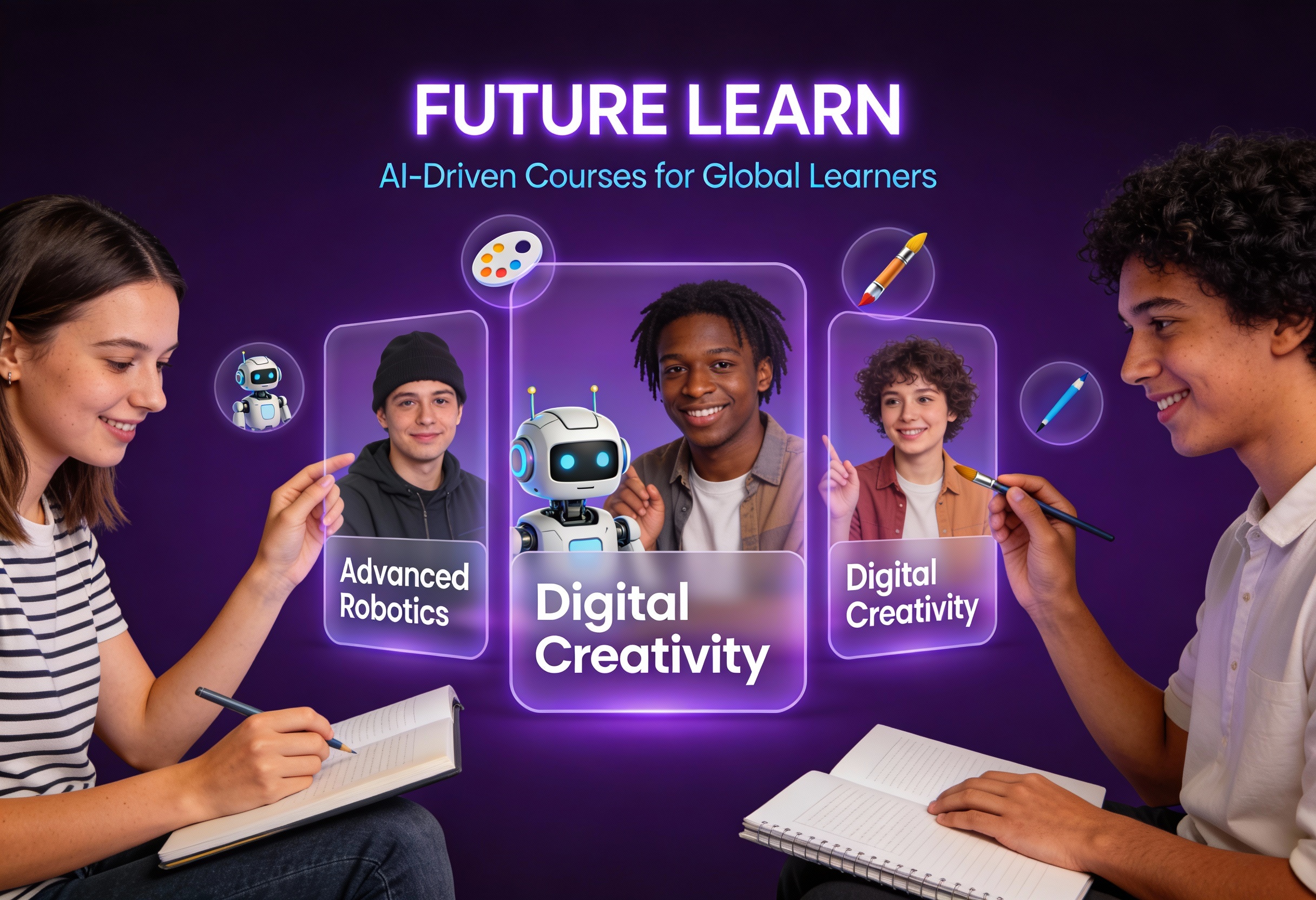
Imagine a learning experience that fits perfectly into your schedule, adapts to your unique style, and opens doors to knowledge anytime, anywhere. That’s exactly what future education and online coaching platforms promise to deliver.
If you’ve ever felt stuck in traditional classrooms or struggled to find the right guidance, this new wave of learning is made for you. Ready to discover how these platforms can transform your skills, boost your confidence, and unlock opportunities you never thought possible?
Keep reading—your future self will thank you.
Digital Shift In Education
The digital shift in education is changing how people learn worldwide. Technology allows students to access lessons anytime and anywhere. This change opens new ways to study and connect with teachers. Education is no longer limited to physical classrooms. Digital tools make learning more flexible and personal.
Rise Of Online Learning
Online learning platforms have grown rapidly in recent years. Students can choose courses based on their interests and pace. Video lessons, quizzes, and interactive content keep learners engaged. Many platforms offer live sessions, allowing real-time interaction with instructors. This approach suits people who cannot attend traditional schools. It also helps learners balance study with work or family duties.
Impact On Traditional Classrooms
Traditional classrooms are adapting to the digital trend. Schools use digital tools to complement face-to-face teaching. Teachers share materials online and assign digital homework. Classrooms become more interactive with multimedia presentations. Some schools combine online and offline learning methods. This hybrid model supports different learning styles and needs. It also prepares students for a digital world.
Innovations In Online Coaching
Online coaching is changing fast. New tools and ideas help students learn better and faster. These innovations make education more flexible and fun. The future of learning is here, with technology at its core.
Personalized Learning Paths
Every student learns differently. Online platforms use smart systems to understand each learner’s needs. They create custom lessons based on skills and pace. This helps students focus on what they need most. Personal learning paths keep students motivated and improve results.
Interactive Tools And Technologies
Online coaching uses many interactive tools. Videos, quizzes, and live chats make learning active. Virtual classrooms bring real-time interaction with teachers and peers. Some platforms use games to teach concepts in a fun way. These tools keep students engaged and make learning easier to remember.
Accessibility And Inclusivity
Accessibility and inclusivity are key to the future of education. Online coaching platforms make learning possible for many people. These platforms remove barriers that once blocked access to education. They offer flexible schedules and various learning tools. Students from different backgrounds can learn together. This creates a more equal learning environment for all.
Bridging The Education Gap
Online platforms help close the distance between students and teachers. Students in remote areas can join classes easily. They do not need to travel long distances. This saves time and money. It also allows students to learn at their own pace. More people gain the chance to improve their skills and knowledge.
Support For Diverse Learners
Every learner has unique needs and abilities. Online coaching uses tools like subtitles, audio, and visuals. These tools help students who have difficulties with reading or hearing. Some platforms offer lessons in multiple languages. This helps students understand better. Adaptive learning paths fit each student’s style and speed. This way, no one is left behind in their learning journey.
Role Of Artificial Intelligence
Artificial Intelligence (AI) plays a vital role in the future of education and online coaching platforms. It makes learning more personal and effective. AI helps both students and teachers by providing smart tools and insights. This technology adapts to each learner’s needs and pace. It also offers support beyond traditional classroom limits. AI is reshaping how knowledge is shared and absorbed in online education.
Adaptive Learning Systems
Adaptive learning systems use AI to customize lessons for every student. These systems analyze learner data and adjust content accordingly. They identify strengths and weaknesses quickly. This way, students focus on areas needing improvement. The system changes the difficulty level based on progress. It helps keep students motivated and confident. Adaptive learning creates a unique path for each learner’s success.
Ai Tutors And Assistants
AI tutors and assistants offer instant help and guidance. They answer questions anytime without delay. These tools provide explanations in simple terms. AI assistants track student performance and suggest tips. They reduce the burden on human teachers. Students get personalized support even outside class hours. This leads to better understanding and faster learning.
Future Skills And Curriculum
The future of education is shifting fast. New skills and subjects are shaping the way students learn. Online coaching platforms play a big role in this change. They help students gain skills needed for tomorrow’s world.
Curriculum changes focus on practical skills. These skills prepare learners for many challenges ahead. Critical thinking and digital literacy become top priorities in learning.
Focus On Critical Thinking
Critical thinking helps students solve problems better. It teaches them to analyze information carefully. Students learn to ask questions and think deeply. This skill is important in all areas of life. Schools and online platforms include exercises to build this skill. This approach makes learners more confident and creative.
Emphasis On Digital Literacy
Digital literacy means knowing how to use technology well. Students learn to work with computers and software. They understand online safety and data privacy. This skill is needed for most jobs today. Online coaching platforms teach digital skills step by step. It helps students stay updated in a tech-driven world.
Challenges And Solutions
Future education and online coaching platforms face several challenges. These challenges affect how students learn and how teachers teach. Finding solutions is important to ensure everyone benefits from new learning methods.
Some problems come from technology access. Others come from trust in the quality of online courses. Addressing these issues helps make education fair and effective for all.
Addressing Digital Divide
Many students lack good internet or devices. This limits their ability to join online classes. Schools and governments must provide affordable internet access.
Community centers can offer free computer use. Simple mobile apps also help reach more students. Teaching basic tech skills boosts confidence and participation.
Ensuring Quality And Credibility
Not all online courses are reliable. Some content is outdated or incorrect. Platforms should work with expert teachers to keep lessons accurate.
Certifications and reviews build trust in courses. Clear standards and regular updates improve learning quality. Students must know which courses meet education goals.
Global Trends And Case Studies
Education is changing fast across the world. Online coaching platforms play a big role in this change. They offer new ways to learn and teach. Many countries use digital tools to reach more students.
Some platforms stand out by helping many learners. They use smart ideas to make education easier and more fun. Real examples from these platforms show what works well in online learning.
Successful Online Platforms
Several online platforms have grown quickly. Coursera and Khan Academy offer free and paid courses. They reach millions of students globally. These sites use videos, quizzes, and interactive lessons. They help learners study at their own pace.
Platforms like Udemy allow experts to create courses. This variety helps meet different learning needs. Duolingo focuses on language learning with simple games. Its success shows that learning can be fun and effective.
Innovative Educational Models
New models combine technology and teaching methods. Blended learning mixes online and face-to-face classes. This approach supports better understanding and flexibility.
Microlearning breaks lessons into small parts. It fits busy schedules and improves focus. Adaptive learning platforms change content based on student progress. This personalization increases success rates.
Peer-to-peer learning connects students worldwide. They share ideas and solve problems together. These models show that education can be more active and social.
Frequently Asked Questions
What Is The Future Of Education With Online Coaching Platforms?
The future of education is digital and personalized. Online coaching platforms offer flexible learning, instant feedback, and diverse resources. They cater to individual learning styles and provide global access, making education more inclusive and effective.
How Do Online Coaching Platforms Improve Student Engagement?
Online coaching platforms use interactive tools like quizzes, videos, and live sessions. These features keep students motivated and involved. Real-time feedback and gamification also enhance participation and improve learning outcomes.
Are Online Coaching Platforms Effective For Skill Development?
Yes, online platforms provide targeted courses and expert guidance. They offer practical exercises and assessments to build real-world skills. Students can learn at their own pace, making skill acquisition efficient and accessible.
What Role Does Technology Play In Future Education?
Technology enables personalized learning, AI-driven tutoring, and virtual classrooms. It breaks geographical barriers and offers adaptive content. This enhances the overall learning experience and prepares students for a digital world.
Conclusion
The future of education lies in online coaching platforms. These tools offer flexible learning anytime, anywhere. Students can access many courses at their own pace. Teachers reach more learners beyond traditional classrooms. Technology makes education more personal and engaging. Challenges remain, but progress continues steadily.
Online learning will grow and shape new skills. Education will become more inclusive and accessible for all. Embracing these changes prepares us for tomorrow’s world. The journey ahead looks promising and full of opportunity.