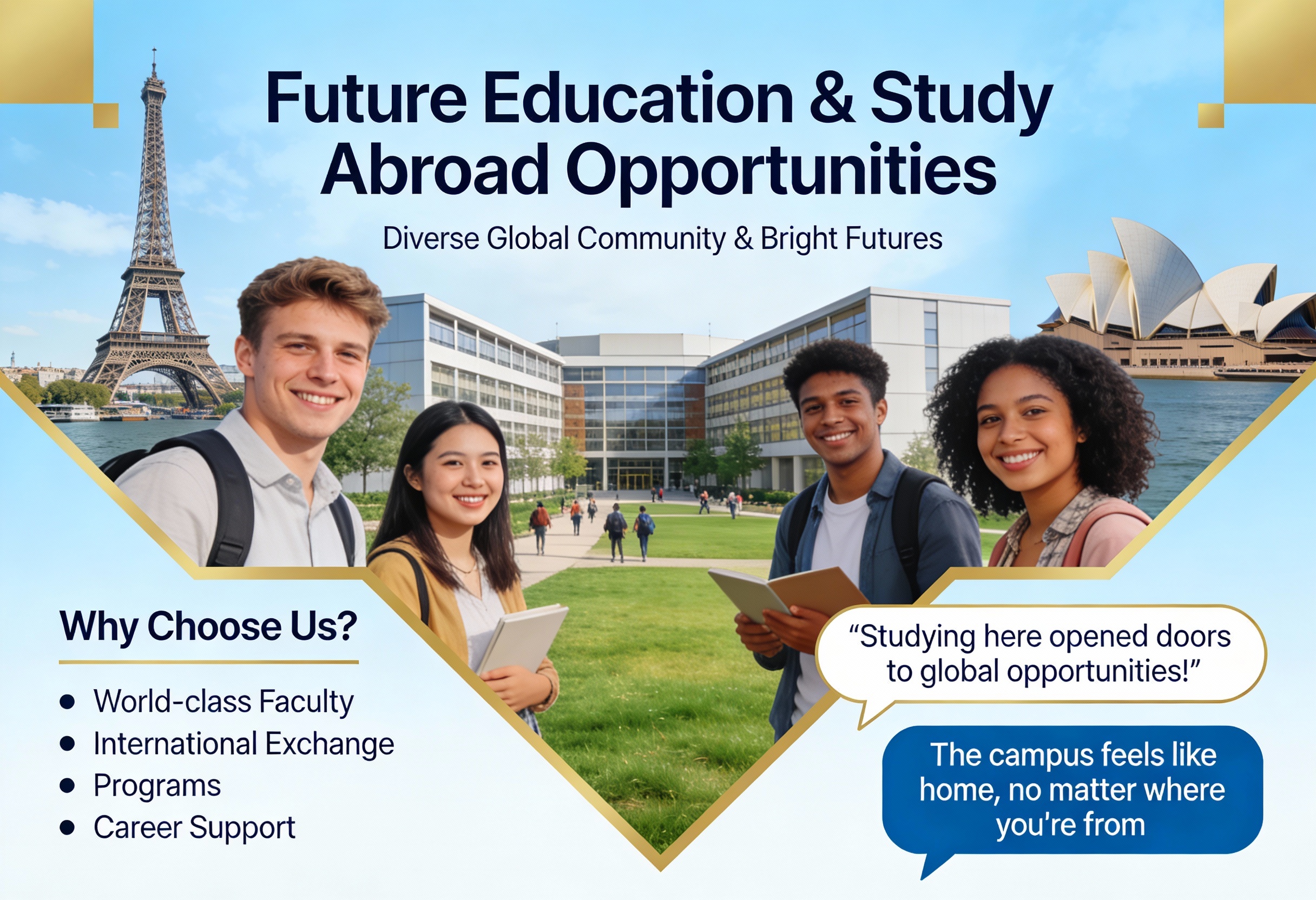
Are you ready to unlock new doors for your future? Education is changing fast, and studying abroad can give you an edge like never before.
Imagine gaining skills that set you apart, meeting people from different cultures, and opening up career opportunities worldwide. This article will guide you through the exciting future of education and how studying abroad can shape your success. Keep reading to discover how you can make the most of these opportunities and take control of your future today.
Trends Shaping Future Education
Education is changing fast. New trends shape how students learn and grow. These trends affect study abroad choices and future education plans.
Students now have more options and tools to learn in ways that suit them. Technology and new teaching methods create exciting learning experiences.
Digital Learning Revolution
Online classes and digital tools make education accessible everywhere. Students can join courses from top schools worldwide. Learning happens anytime, without being in a classroom.
Videos, quizzes, and interactive content help students understand better. Digital learning breaks down barriers like location and time.
Personalized Education Paths
Each student learns differently. Personalized education lets students follow paths that fit their needs. Teachers use data to adjust lessons to each learner.
This approach keeps students interested and helps them succeed. It allows more focus on strengths and areas needing improvement.
Ai And Automation In Classrooms
AI tools support teachers by grading and giving feedback quickly. Automation helps manage routine tasks, so teachers focus on teaching.
Smart systems guide students with practice and tips. AI adapts lessons to student progress, making learning more effective.
Benefits Of Studying Abroad
Studying abroad offers many benefits beyond education. It allows students to experience new cultures and ways of living. This experience helps build skills that last a lifetime. Students grow in confidence and independence. They also gain a global view that enriches their personal and professional lives.
Cultural Immersion And Adaptability
Living in a new country means diving into a different culture. Students learn local customs, traditions, and social norms. This immersion helps them become more open-minded. They adapt to new environments quickly. Such adaptability is valuable in today’s global world. It prepares students to handle change with ease.
Language Skills Enhancement
Studying abroad improves language skills naturally. Students practice speaking and listening every day. This real-life use beats classroom learning. It builds confidence in using a new language. Better language skills open doors to many opportunities. They make communication easier in work and travel.
Career Advantages And Networking
International study adds value to a resume. Employers often prefer candidates with global experience. Students develop skills like problem-solving and independence. They also build networks with people worldwide. These connections can lead to job offers and collaborations. Studying abroad sets students apart in the job market.
Top Destinations For Study Abroad
Choosing the right place to study abroad shapes your future. Different regions offer unique experiences and learning styles. Knowing the top destinations helps students decide where to go next. Each area has something special for education seekers. Explore these popular regions for study abroad.
North America
North America hosts many top universities. The United States and Canada attract students worldwide. They offer diverse courses and advanced research facilities. Campus life is vibrant and full of activities. Students gain practical skills and global exposure. English is the main language, easing communication. Scholarships and part-time jobs support many learners. This region prepares students well for future careers.
Europe
Europe has a rich history and strong education system. Countries like the UK, Germany, and France lead in higher education. Programs often include cultural immersion and language learning. Many universities offer courses in English. Studying here broadens perspectives and builds networks. Affordable tuition fees and travel options appeal to many. Students enjoy a mix of tradition and modern learning.
Asia-pacific
The Asia-Pacific region grows fast in education quality. Countries like Australia, Japan, and Singapore are popular choices. They combine technology and innovation in teaching. Students experience diverse cultures and languages. The cost of living is often lower than in the West. Internship opportunities connect students to global industries. This region suits those seeking dynamic and modern education.
Funding And Scholarship Options
Funding and scholarships make education abroad more affordable. Many students worry about costs. Yet, there are several options to help cover expenses. Grants, scholarships, and work opportunities can reduce financial burdens. Understanding these options helps plan your study journey better.
Government Grants
Governments offer grants to support students studying abroad. These grants do not require repayment. They often focus on specific fields or countries. Applying early increases chances of success. Check your home country’s education department website for details.
Private Scholarships
Private organizations provide scholarships for international students. These scholarships reward academic performance, talents, or community service. Some target students from certain regions or study areas. Applications usually ask for essays and recommendation letters. Research and apply to many scholarships to improve your chances.
Work-study Opportunities
Work-study programs let students earn money while studying. Jobs are often on campus or nearby. These roles offer flexible hours to fit your class schedule. Earnings can help pay for living costs and materials. Check your university’s work-study options early to secure a position.
Preparing For Global Education
Preparing for global education takes careful planning and clear steps. Students must understand what to expect in a new country. They should get ready for different teaching styles and cultural changes. Early preparation helps reduce stress and builds confidence.
Choosing the right program matters a lot. Each program offers unique courses and experiences. Research programs that match your goals and interests. Check the course content, location, and duration. Consider the reputation of the school and the support services available.
Choosing The Right Program
Find programs that fit your career plans. Look for schools with good rankings and reviews. Think about language requirements and course structure. Some programs offer internships or work experience abroad. These can improve your skills and job prospects.
Visa And Immigration Tips
Start your visa process early to avoid delays. Gather all needed documents carefully. Follow the visa application rules of the host country. Keep track of deadlines and submit forms on time. Prepare for your visa interview by practicing common questions. Always check for updates on immigration policies.
Cultural Preparation And Support
Learn about the culture and customs of your study destination. This helps avoid misunderstandings and builds respect. Join pre-departure orientation sessions if available. Connect with support groups or student communities online. Knowing what to expect eases homesickness and cultural shock. Stay open-minded and ready to learn from new experiences.
Technology’s Role In Global Learning
Technology shapes how students learn across the world. It breaks down barriers and creates new paths for education. Students can now connect with peers and teachers far beyond their local area. This makes learning more diverse and rich.
Technology supports global education by making resources easy to access. It helps students experience different cultures and ideas. This leads to better understanding and cooperation among young learners everywhere.
Virtual Exchange Programs
Virtual exchange programs let students from different countries learn together online. They share ideas, work on projects, and discuss topics in real time. This helps students practice languages and understand global issues.
These programs offer a chance to meet peers worldwide without traveling. They make studying abroad more affordable and accessible for many students. Virtual exchanges build friendships and open minds.
Online Collaborative Tools
Tools like video calls, shared documents, and online whiteboards boost teamwork. Students can study and create projects together from any location. These tools encourage active participation and communication.
Collaboration helps students learn skills needed in today’s jobs. It teaches problem-solving, time management, and cooperation. Online tools make group work easier and more organized.
Future Of Remote Study
Remote study will grow with better technology and internet access. Students will attend classes from home or anywhere in the world. This flexibility suits different lifestyles and learning speeds.
Advanced software may offer virtual reality experiences, making remote study more interactive. Students might explore virtual campuses or labs. The future will bring more chances to learn globally without limits.
Career Paths After Studying Abroad
Studying abroad opens many career paths. It gives students new skills and global experience. These help in finding jobs and building strong careers. Employers value international education and cultural knowledge.
Global Job Markets
Graduates with international experience fit well in global job markets. Companies seek workers who understand different cultures. Language skills and adaptability make candidates stand out. Many students find jobs in countries where they studied. This expands career options and offers higher salaries.
Entrepreneurship Opportunities
Studying abroad inspires many to start their own businesses. Exposure to new ideas and markets helps shape business plans. Students learn about business trends in other countries. This knowledge helps create unique products or services. Entrepreneurship becomes a strong career path after studying abroad.
Alumni Success Stories
Many alumni share stories of success after studying abroad. They work in top companies or start successful businesses. Their global education helped them gain confidence and skills. These stories encourage new students to pursue study abroad. Real-life examples show the value of international education.
Frequently Asked Questions
What Are Future Trends In Global Education?
Future education trends include personalized learning, AI integration, virtual classrooms, and skill-based curriculums. These trends enhance accessibility and adapt to individual student needs worldwide.
How Can Studying Abroad Benefit My Career?
Studying abroad improves cultural awareness, language skills, and global networks. It boosts employability by exposing students to diverse perspectives and international work environments.
Which Countries Offer The Best Study Abroad Opportunities?
Popular study destinations include the USA, UK, Canada, Australia, and Germany. These countries provide high-quality education, scholarships, and diverse programs for international students.
What Skills Are Essential For Future Education Success?
Critical thinking, digital literacy, adaptability, and collaboration are key skills. These help students thrive in rapidly evolving educational and professional landscapes.
Conclusion
The future of education offers many exciting chances to learn and grow. Study abroad programs open doors to new cultures and ideas. Students gain skills that help them in a global world. Technology will continue to change how we study and connect.
Preparing early brings great benefits for academic and personal life. Explore options and choose paths that fit your dreams. Education is a journey full of possibilities waiting to be discovered.